Why USCIS Sent A Second Prima Facie Notice
TL;DR:
A second Prima Facie Notice usually means USCIS renewed your Notice of Prima Facie Case while your VAWA self-petition remains pending. It does not mean approval, denial, or that something went wrong. USCIS policy says the first notice is generally valid for one year, and renewed notices are valid for 180 days until the Form I-360 is fully decided. Your next step is to check dates, save the notice, track your case, and follow up if the renewal is missing.
What A Second Prima Facie Notice Usually Means
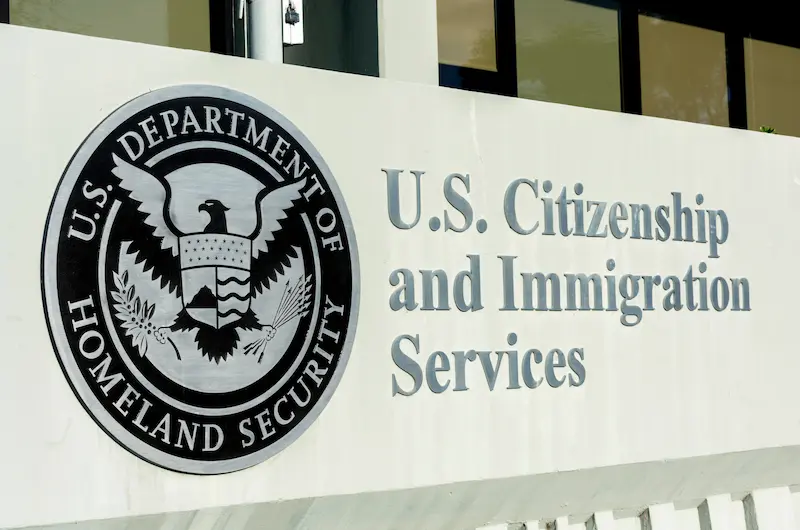
If USCIS mailed you a second Prima Facie Notice, take a breath. In many VAWA cases, a renewed Notice of Prima Facie Case is a timing notice, not a warning. It usually means USCIS has not finished the deeper review of your Form I-360 and the earlier notice was close to expiring.
Under the USCIS VAWA prima facie review, a favorable Prima Facie Notice is not a finding that you proved full eligibility. USCIS also says issuing or not issuing the notice does not control the final decision, and additional evidence may still be needed. That distinction is important because a second notice can feel like a “yes or no” moment, when it is really a temporary checkpoint.
For survivors in Austin, Texas, this waiting period can affect safety planning, housing, public benefits, and family stability. Keep the second notice with your I-360 receipt, prior notice, mailing envelope, and any Request for Evidence. Those dates help you understand whether USCIS renewed the notice on schedule.
Second Notice Vs. Final Decision In A VAWA Case
A second notice is not the same as approval of the VAWA self-petition. Approval means USCIS decided the I-360. A Prima Facie Notice means USCIS reviewed the filing at first glance and found enough initial evidence for a temporary notice.
It also is not a denial. If USCIS denies the I-360, USCIS policy says it does not reissue or extend the Prima Facie Notice. A renewed notice often points to continued review, not a closed case.
A Prima Facie Notice does not automatically give lawful status, a work permit, or travel permission. Work authorization usually depends on another filing posture, such as a pending adjustment of status application or deferred action after I-360 approval. If you are unsure what your notice allows, compare it with your broader Prima Facie Determination and your current filing receipts before making work or travel choices.
How Long A Prima Facie Notice Lasts & Renews
USCIS policy now says the first Notice of Prima Facie Case is initially valid for one year. If the I-360 is still pending when that notice expires, USCIS automatically sends a renewed notice within 60 days of the expiration date. The renewed notice is valid for 180 days, and USCIS can continue renewing it in 180-day periods until it fully adjudicates the self-petition.
That is why you may receive a second, third, or later notice while nothing else appears to move online. It can be frustrating, but repeated renewals often reflect the length of the VAWA queue rather than a new problem with your evidence.
A renewed notice also does not mean USCIS will decide the case within that 180-day period. It keeps the temporary prima facie document current while adjudication continues. Your true case timeline still depends on the Form I-360 review, any RFE response, visa availability, and whether adjustment of status is pending or can be filed later.
The VAWA processing time timeline is useful here because the Prima Facie Notice sits inside a longer road. The notice can help you plan, but it should never be treated as the finish line.
What To Check When The New Notice Arrives
Read the second notice line by line. Confirm that your name, A-number, receipt number, and safe mailing address are correct. Then compare the new expiration date with the old one. If the second notice arrived before or shortly after the old notice expired, that pattern usually matches USCIS renewal practice.
Next, check whether any other notice arrived around the same time. A renewed prima facie notice can arrive near an RFE, biometrics notice, address confirmation, or case transfer update. Do not assume all notices mean the same thing. Each one has its own purpose and deadline.
Make a small timeline:
- I-360 filing date.
- First Prima Facie Notice date.
- First expiration date.
- Second notice date.
- Second expiration date.
- Any RFE deadline or response date.
This simple record helps you spot missing mail, explain the situation to a benefits office, and avoid panic when the online status does not change. USCIS online case status uses the receipt number to track updates, but the paper notices are still important. Keep both.
Case Types That Often Receive Renewal Notices
Renewals can appear in different VAWA case types. Spouse self-petitions, child self-petitions, and parent self-petitions may all involve long waits if USCIS has not completed the I-360 decision. USCIS states that abused spouses and children of U.S. citizens or lawful permanent residents, and parents of U.S. citizens age 21 or older, may self-petition without the abuser’s knowledge, consent, or participation.
The practical effect can vary by case. A spouse of a U.S. citizen may have an I-485 filed with the I-360 if eligible. A spouse of a lawful permanent resident may need to watch visa availability. A parent case or child case may involve different evidence, family documents, and safety concerns. A VAWA self-petition plan should match the exact case type, not just the fact that a Prima Facie Notice arrived.
When To Follow Up If A Notice Expires Or Never Comes
You should follow up when the old notice expired, more than 60 days have passed, and no renewed notice arrived at any safe address on file. Before contacting USCIS, confirm that you did not move, miss mail, or forget to update your address. In VAWA cases, safe address handling matters because USCIS should not send sensitive case information where an abuser can access it.
If you never received a first notice, that alone does not mean denial. USCIS may need more initial evidence, may issue an RFE, or may continue reviewing the petition. Focus on the documents USCIS sent, the deadlines attached to them, and whether your case has passed the agency’s current processing-time window.
Follow up sooner if a benefits office needs current proof, the notice contains an error, your safe address changed, or an RFE deadline is approaching. Bring copies of every USCIS notice to any evaluation. In a VAWA case, small date mistakes can create big stress, and clear records give you a steadier path forward.
If your second Prima Facie Notice raised more questions than answers, you are not alone in this. Schedule a confidential evaluation with Lincoln-Goldfinch Law so we can review your notices, your VAWA timeline, and your next steps with care. We’ll help you understand what the renewal means for your safety, work authorization options, benefits questions, and path toward a final decision. It’s confidential, compassionate, and only takes a few minutes to start getting clarity.
About the Author: Kate Lincoln-Goldfinch


Contact A U.S. Immigration Attorney Today!
Categories
How To Find Us
What Our Clients Say
“This Lawfirm is great, very professional and helpful. I love that they are always in communication and always available for when you have questions . 100% recommended by me and my family. Thank you Lincoln-Goldfinch Law – Abogados de Inmigración”