
What Changed For Immigrant Truck Drivers In 2026?
TL;DR:
On March 16, 2026, FMCSA’s new non-domiciled CDL rule changed who can get, renew, transfer, upgrade, or reinstate a non-domiciled commercial license. Under the final rule, only people in H-2A, H-2B, or E-2 status qualify for a non-domiciled CLP or CDL under this framework. States do not have to cancel every license that was properly issued under older rules, but they must apply the new standard at many future licensing events. For immigrant truck drivers, the biggest issue is not only the license itself. It is whether your current immigration category still supports your right to keep working and planning for your family’s future.
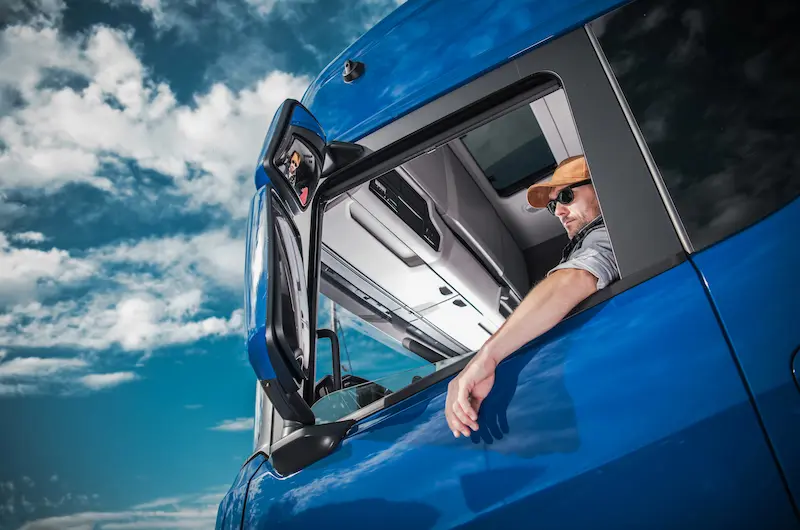
If you are a truck driver raising a family in the United States, this rule change probably does not feel like a policy memo. It feels personal. It touches your work, your bills, your routine, and the peace of mind you need to keep moving forward.
That is why this question matters so much: what changed on March 16, 2026 for non-domiciled CDLs, and what does it mean for your immigration situation? The short answer is that FMCSA narrowed eligibility for non-domiciled commercial credentials. The longer answer is that this rule can affect not only first-time applications, but also renewal, transfer, upgrade, and reinstatement decisions that may come later.
What The 2026 Non-Domiciled CDL Rule Changed?
FMCSA’s final rule became effective on March 16, 2026. The agency said the rule was meant to restore integrity to non-domiciled CDL issuance and reaffirmed, with minor changes, the earlier interim rule. Most importantly for drivers, the final rule limits eligibility for non-domiciled CLPs and CDLs to specific, verifiable employment-based nonimmigrant categories.
Under FMCSA’s current FAQ, the qualifying categories are H-2A, H-2B, and E-2. FMCSA also says no other immigration statuses qualify under this rule for a non-domiciled CLP or CDL. That is the part many drivers are missing when they hear broad headlines online. This is not a general immigration rule for every noncitizen. It is a narrow federal licensing rule tied to very specific categories.
Why Is This Really An Immigration Question?
For many readers, the deeper fear is not “What is FMCSA doing?” The real fear is, “Can I still work legally, or am I about to lose control of my life here?”
That is why this matter needs to stay centered on immigration. The new CDL rule does not directly decide every immigration case, and it does not create a new path to lawful status. What it does do is use immigration category as the gatekeeper for a non-domiciled commercial license. If your current category does not fit the rule, the licensing problem may be the first sign that your broader immigration strategy needs attention.
For undocumented drivers, this point is especially painful. The rule does not open a lane for undocumented workers to qualify for a non-domiciled CDL. For drivers in other nonimmigrant or humanitarian categories, the issue is also serious because a category that may feel lawful in everyday life may still fall outside this CDL framework. That is why the right question is not just “Do I have papers?” The right question is “Does my exact immigration category still qualify under this licensing rule?”
Who May Be Hit At Renewal Or Transfer?
One of the biggest myths online is that every immigrant truck driver loses a license immediately. FMCSA’s own FAQ does not say that. Instead, it says states are not automatically required to revoke every non-domiciled CDL that was properly issued under the rules in effect at the time. That matters for people who are still holding a current, unexpired card today.
But there is a second half to that answer, and it is the part that can disrupt a family fast. Once a state issues, reissues, transfers, upgrades, renews, or reinstates the credential, the driver must meet the revised federal standard. FMCSA also says states should downgrade a non-domiciled CDL within 30 days when federal verification shows the driver no longer has lawful immigration status in a qualifying category.
So the risk often shows up at the DMV counter, not only on the rule’s effective date. A driver may keep working for now, then run into trouble at a renewal, after a downgrade, or when moving to another state. That is why the immigration review should happen before the licensing event, not after the denial.
What Undocumented Truck Drivers Should Hear Clearly?
If you are undocumented, you deserve a straight answer delivered with respect. This rule is not a shortcut to lawful status, and it is not a new federal benefit for undocumented drivers. It narrows eligibility to certain temporary employment-based immigration categories that must be verifiable.
That does not mean you should panic. It means you should avoid guessing. Many immigrants have been surviving in legal gray areas for years, and a licensing problem can expose a deeper immigration issue that was already there. The most important step is to understand your full immigration history before you trigger a renewal, transfer, or reinstatement.
That review should include how you entered the U.S., whether you ever had lawful status, whether you have family-based options, whether you may qualify for humanitarian relief, and whether any prior immigration filings or encounters could affect your case. A CDL problem can become the moment that pushes you to get a real legal roadmap instead of relying on rumors in the yard, WhatsApp messages, or DMV guesswork.
This Rule Is Separate From English Enforcement
Another source of confusion is the English proficiency crackdown. Some drivers believe the June 2025 English enforcement guidance and the March 2026 non-domiciled CDL rule are the same thing. They are not.
The CDL rule is about eligibility for the credential. The English proficiency policy is about roadside enforcement and out-of-service consequences. FMCSA announced updated English language proficiency enforcement guidance in May 2025, and beginning June 25, 2025, English language proficiency violations were once again included in out-of-service criteria. A driver may face both issues, but they come from different rules and create different risks.
That distinction matters because drivers often prepare for the wrong problem. You may need one strategy for your license category and another for roadside compliance.
What To Do Before Your Next DMV Visit?
Here is what we would tell a driver in this situation.
Check The Exact Licensing Event
Are you renewing, transferring, upgrading, replacing, or reinstating your CDL? FMCSA’s FAQ treats many of these events as moments when the new standard must be applied.
Gather Your Immigration Records
Do not walk into a licensing appointment with half the paperwork and a hopeful guess. FMCSA says states must verify lawful immigration status for qualifying categories, and the agency’s FAQ makes clear that not every immigration document will do the job.
Separate The CDL Issue From The Bigger Immigration Plan
Even if the license question is urgent, your immigration future is bigger than one card. Some drivers may need to review family-based options, humanitarian options, or other long-term strategies with counsel instead of treating the DMV visit as the whole problem.
Get Advice Before You Trigger The Transaction
Once the state processes the transaction, the new rule can control the result. Early advice can help you protect your work, your family stability, and your next move.
If you are hearing mixed messages about the non-domiciled CDL rule 2026, you are not alone in this. We can help you understand whether your current immigration category still qualifies, what risks may come with your next DMV step, and whether there is a stronger immigration path forward for you and your family. Schedule A Confidential Evaluation with Lincoln-Goldfinch Law today so we can build a clear legal roadmap with strength and urgency.
FAQ: Non-Domiciled CDL Rule 2026
About the Author: Kate Lincoln-Goldfinch


Contact A U.S. Immigration Attorney Today!
Categories
How To Find Us
What Our Clients Say
“This Lawfirm is great, very professional and helpful. I love that they are always in communication and always available for when you have questions . 100% recommended by me and my family. Thank you Lincoln-Goldfinch Law – Abogados de Inmigración”