
What Happens To Migrant Children After They Are Detained?
Key Notes:
When migrant children are detained at the U.S. border, they are placed in government custody and then typically transferred to family members, vetted sponsors, or foster care. Their journey doesn’t end there. Children must still attend immigration court hearings and check-ins, often while recovering from trauma. Support services may include counseling, legal aid, and family reunification programs to help them heal and navigate the legal process.
Every year, thousands of children arrive at the U.S. border without a parent or legal guardian. Many are fleeing violence, abuse, or extreme poverty. Once detained by immigration officials, they enter a complex system that’s difficult for any adult to navigate, let alone a child.
What happens next isn’t always clear. Where are these kids taken? Who takes care of them? And how do they find safety while facing court hearings, paperwork, and the weight of trauma?
Let’s walk through what happens after a child is detained, and how families, sponsors, and advocates can act with strength and urgency to protect them.
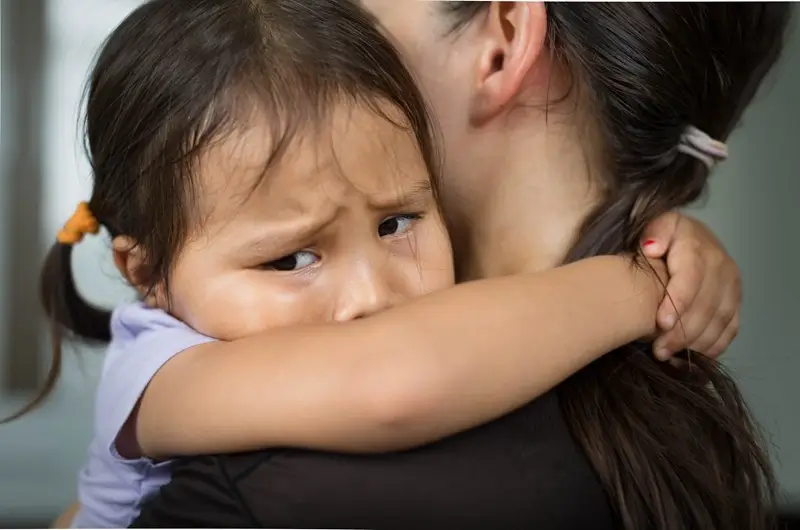
What Happens After Migrant Children Are Detained & Sent To ORR Custody
Once a migrant child is detained, if they’re unaccompanied, they are transferred to the ORR within 72 hours. ORR shelters are not the same as ICE detention centers; they’re more like dorms or temporary group homes but they’re still facilities, not families.
These shelters provide basic needs, medical care, and case management. But they are still institutional spaces, and children often feel scared, alone, or confused.
From there, ORR works to place each child in one of three settings:
- Reunification with a parent or legal guardian in the U.S.
- Placement with a vetted sponsor, often a relative like an aunt, older sibling, or family friend.
- Foster care, when no family or sponsor can be found.
These first placements are meant to offer stability, but they’re only the beginning. Once a child is released from ORR custody, the legal journey begins. Immigration court dates, case check-ins, and urgent decisions about their future still lie ahead.
That’s where the system often expects children to navigate an adult process, with adult consequences, on their own. Let’s talk about what life looks like after release and how we can help kids find safety while managing the complex legal path.
Life After ORR: Migrant Children Face Court, Trauma & Uncertainty
Release from a shelter is the beginning of a new chapter. Children enter a legal process that can last months or years. Even after reunification or placement, they must:
- Attend immigration court hearings, which continue regardless of age.
- Check in with ICE or ORR periodically, depending on their case.
- Apply for relief, such as asylum, Special Immigrant Juvenile Status (SIJS), or other options.
No child should have to face immigration court alone, especially while still reeling from trauma. But that’s exactly what happens when families or sponsors aren’t fully informed or when legal help is out of reach.
At our firm, we’ve seen how the right support can change everything. It’s not just about legal filings; it’s about restoring a sense of safety and hope.
But to truly help these kids move forward, we also have to look at what they carry with them emotionally. Let’s talk about the trauma so many of them endure, and what healing really requires.
Trauma In Migrant Children: Mental Health After Detention
Even after they’re physically safe, children often carry deep emotional scars. Detention can retraumatize kids already fleeing violence or abuse. They may experience:
- Nightmares or insomnia.
- Anxiety and fear of authority.
- Difficulty trusting adults.
- Depression or withdrawal.
Fortunately, some ORR shelters and post-release programs provide trauma-informed counseling. But access is uneven. In cities like Austin, nonprofit coalitions and pro bono therapists work hard to close the gaps, but there’s much more to be done.
Healing takes time, and it takes people: counselors, caregivers, attorneys, and trusted adults who show up with compassion. When we meet a child’s emotional needs, we build the foundation for their legal case and their future.
Next, let’s look at how family reunification programs work and why bringing families back together matters so much.
Family Reunification For Migrant Children: Challenges & Delays
If a child has a parent in the U.S., the system prioritizes reunification. But it’s not always easy. Challenges include:
- Lack of legal status or resources for the parent.
- Complicated custody issues.
- Delays in documentation or fingerprinting.
- Long distances between child and parent.
Programs like ORR’s Family Reunification Services help, but the process can still take weeks or months. During that time, children remain in government custody, often longing for their family, unsure why it’s taking so long.
Some families end up separated not just by borders, but by bureaucratic red tape. That’s why we advocate for policy reform to streamline the process and prioritize the child’s best interest.
How To Sponsor A Migrant Child: Legal Duties & What To Expect
Taking in a migrant child is a legal commitment. Whether you’re a relative, friend, or community member stepping up, you’ll be asked to take on real responsibilities that stretch beyond food and shelter. These kids need stability, care, and someone to help them stay on track with a complicated immigration process.
If you’re considering becoming a sponsor, here’s what you should expect:
- Background checks and fingerprinting are required for all household adults. This helps ensure the child is placed in a safe environment and builds trust with ORR.
- You’ll need to provide documentation about your income, housing, and relationship to the child. This helps officials decide if you can meet the child’s basic needs.
- Sponsors must ensure the child attends all court hearings and immigration check-ins. Missing just one could result in a deportation order.
- You’ll be expected to enroll the child in school, arrange medical care, and create a stable daily routine. It’s a parenting role, not just a temporary favor.
- Legal representation is essential. You’ll need to work closely with an immigration attorney to file applications and meet deadlines.
Being a sponsor is a serious responsibility, but you don’t have to figure it all out alone. That’s where we come in. Let’s talk about how a law firm can guide both the child and the sponsor through this journey, step by step.
Every Child Deserves Safety
At Lincoln-Goldfinch Law, we often say: immigration is personal. And for children, it’s especially so. These are not just cases; they’re kids.
We’ve helped children apply for asylum, SIJS, U-visas, and even green cards. We work closely with trauma counselors, caseworkers, and schools to build a wraparound support system.
But we can’t do it alone. Communities need to stay informed, advocate for humane policies, and, when possible, step up as sponsors or volunteers.
If you’re unsure about your next step, we can clarify it together. Schedule a confidential evaluation with our team today. It’s confidential and only takes a few minutes, but it can make all the difference for a child’s future.
About the Author: Kate Lincoln-Goldfinch


Contact A U.S. Immigration Attorney Today!
Categories
How To Find Us
What Our Clients Say
“This Lawfirm is great, very professional and helpful. I love that they are always in communication and always available for when you have questions . 100% recommended by me and my family. Thank you Lincoln-Goldfinch Law – Abogados de Inmigración”